
The Ultimate Guide to Planning a Kerala Wedding
Kerala weddings are rich in tradition, beauty, and ceremony. This complete guide covers everything — from venues and rituals to photography and decor.
Kerala weddings are among the most visually stunning and ritually rich celebrations in India. Whether it is a traditional Hindu Nair or Brahmin ceremony, a Syrian Christian wedding in a century-old church, or a Muslim Nikah under a flower-canopied pandal, Kerala's diverse religious traditions share a common commitment to beauty, hospitality, and meaning. For anyone planning or photographing a Kerala wedding, understanding the distinct traditions of each community is essential.
Hindu Kerala weddings centre on the thali tying — the symbolic equivalent of exchanging rings in Western ceremonies — which happens at a precise auspicious moment (muhurth) determined by the family astrologer. The ceremony is often fast-paced, with multiple rituals occurring simultaneously. Kerala Christian weddings, particularly those of the Syrian Orthodox and Catholic communities, blend European church ceremony with local customs like the nercha and reception traditions that are distinctly Malayali in character.
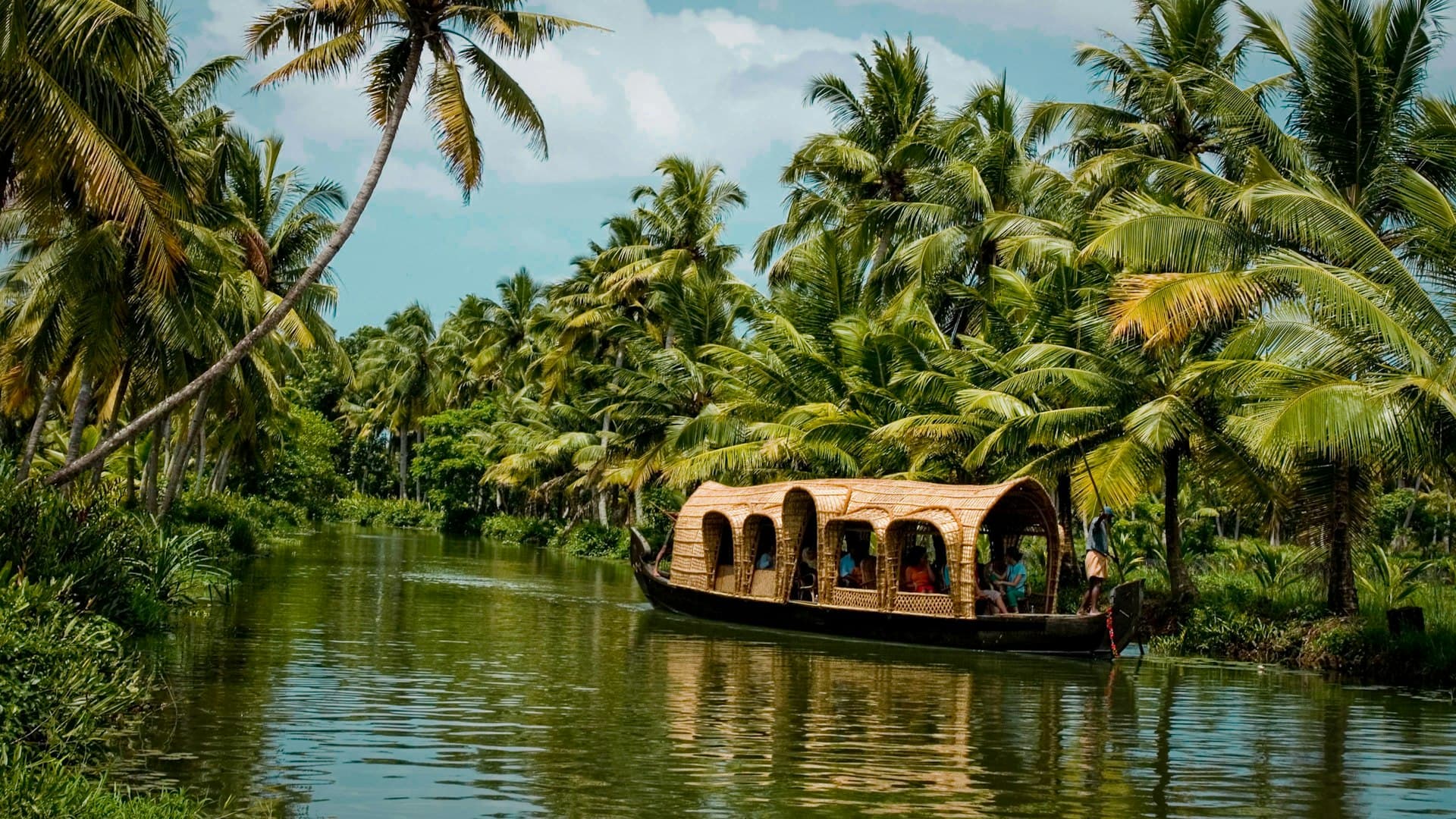
Venues across Kerala have elevated dramatically in recent years. The traditional wedding at a family home or community hall has given way, for many families, to luxury hotel ceremonies and receptions. In Kochi, Thiruvananthapuram, Thrissur, and Calicut, five-star properties offer world-class facilities. Outside the cities, backwater resorts and heritage properties in Kumarakom, Alleppey, Munnar, and Wayanad provide breathtaking natural settings that showcase Kerala's most distinctive landscapes.
The best season for a Kerala wedding — and for Kerala wedding photography — is October through February. The monsoon retreats by late September, leaving the landscape intensely green and the light soft and golden. December and January offer the most reliably clear skies. The summer months (March–May) bring intense heat and harsh midday light that makes outdoor coverage challenging, though early morning ceremonies can work beautifully.
For photography, Kerala offers exceptional natural elements: golden tropical light, the reflective surfaces of backwaters and paddy fields, the visual richness of flowers and traditional costumes, and the warm expressiveness of Kerala's people. Our advice: schedule your portrait session for the hour before sunset, communicate the muhurth timing to your photographer well in advance, and leave space in your schedule for the unexpected — Kerala weddings, like life in Kerala itself, rarely follow a precise script, and the best moments are often the unplanned ones.
Enjoyed this? Share it with someone planning their big day.
Book a Consultation