
Kerala Saree & Kasavu: Photographing Traditional Wedding Attire
The Kerala kasavu saree and traditional jewellery are among the most photographically beautiful wedding attire in India. Here's how to do justice to every detail.
The Kerala kasavu saree — the traditional off-white saree with a golden zari border — is one of the most photographically distinctive bridal garments in all of India. Its restrained elegance, the luminous quality of the raw silk, the way the gold border catches light and creates a warm halo around the wearer — these qualities make the kasavu saree uniquely beautiful on camera. Yet photographing it well requires specific understanding of how white and near-white garments behave in different lighting conditions, how to expose correctly to preserve the texture of the silk while not blowing out the gold, and how to compose images that showcase the full grandeur of the outfit.
Exposure for white or near-white bridal attire is a technical challenge that separates experienced photographers from beginners. In auto or evaluative metering modes, the camera's light meter will try to render the bright white saree as neutral grey, systematically underexposing the image. The solution is to apply positive exposure compensation — typically +0.7 to +1.3 stops — to ensure the white fabric is rendered as white while maintaining shadow detail. Shoot in RAW format for maximum recovery latitude, and check your histogram on location to confirm you are not clipping the highlights on the gold border.
The traditional Kerala bridal jewellery set — the necklace layers (usually including the Manga Mala, Ela Mala, and Mulapoovu), the earrings (jimikki), the waist belt (odyanam), and the hair ornaments — is elaborate, intricate, and extraordinarily photogenic. For detail shots, use a macro or short telephoto lens at f/2.8–f/4 to capture the craftsmanship of individual pieces while gently blurring the background. Morning window light is ideal for jewellery photography — it is soft, directional, and picks up the texture and reflection of the gold without creating harsh specular highlights.
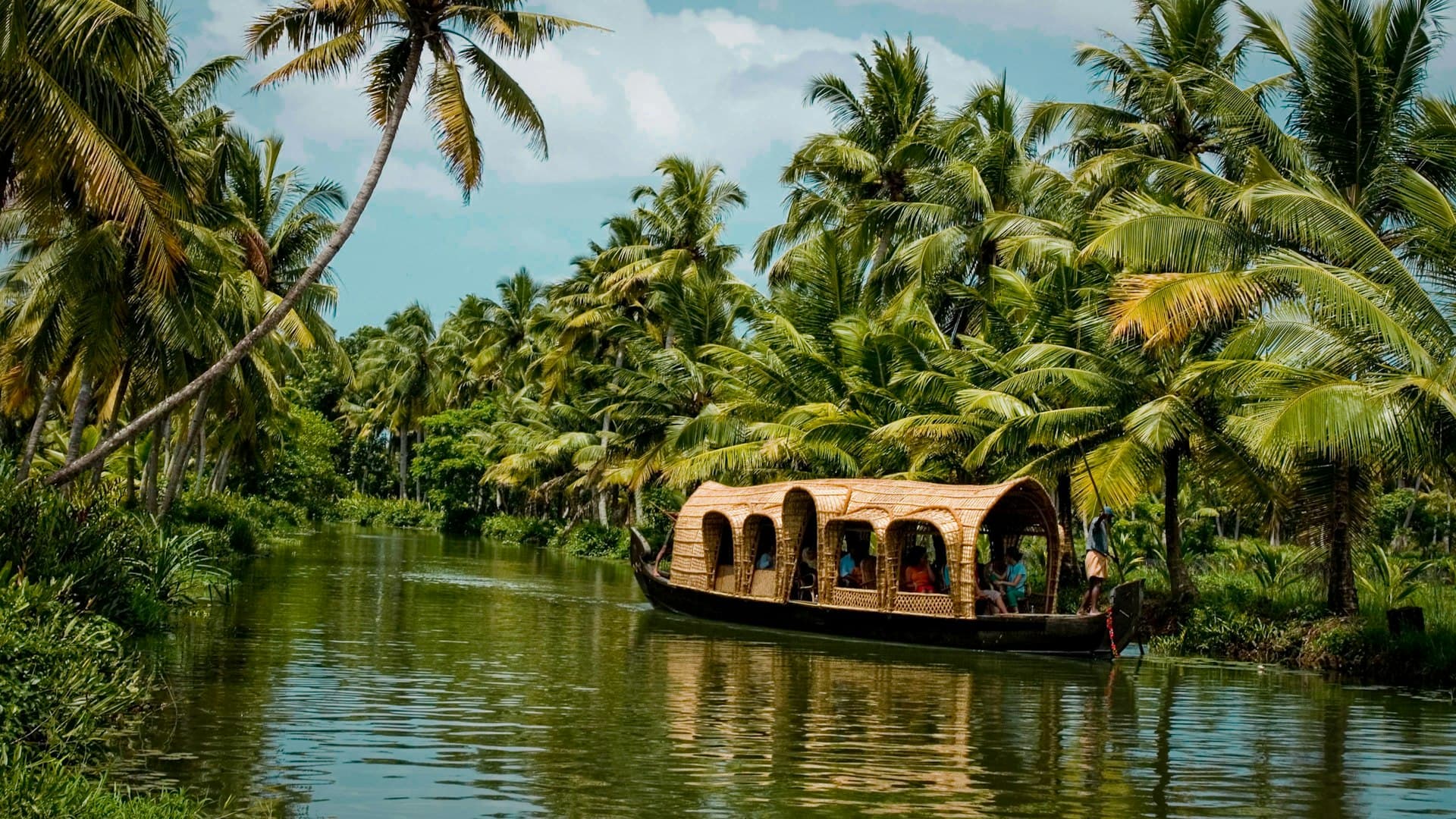
The setting for photographing a bride in kasavu should complement rather than compete with the outfit's quiet beauty. Natural settings — a traditional Kerala courtyard (nalukettu), a carved wooden doorway, the banks of a river or backwater, a paddy field — create a context that feels authentic and visually harmonious. Heritage architecture in Kerala — the old wooden mansions of Thrissur, the Dutch-influenced buildings of Fort Kochi — provides a complementary backdrop that feels of a piece with the tradition the kasavu represents. Avoid visually busy or modern backdrops that create jarring contrast with the classical attire.
The flower jewellery (pookuchel or poovadam) that many Kerala brides incorporate into their hair is another uniquely photogenic element. The white and gold of the jasmine flowers against the dark hair, typically in a low bun adorned with the traditional Kerala hair ornament (kesha bandham), creates compositions of great delicacy and beauty. Schedule your getting-ready coverage to include the hair and flower jewellery application — the process itself, and the moment the bride first sees the completed effect, are among the most emotionally rich sequences of the morning.
Enjoyed this? Share it with someone planning their big day.
Book a Consultation